

Understanding How Temperature Sensitivity Reveals Hidden Changes in Your Dental Health
The Warning Signs Your Teeth Are Trying to Tell You
That sharp, fleeting sensation when sipping hot tea or eating ice cream can be more than a minor inconvenience. Tooth sensitivity to hot and cold temperatures may indicate an underlying dental issue, such as enamel erosion, gum recession or tooth decay. For patients visiting a dentist Soho, understanding the possible causes of tooth sensitivity can help them recognise when professional advice is needed and prevent minor concerns from developing into more significant problems.
Healthy tooth enamel protects the sensitive inner layers of each tooth, but erosion, cracks or decay can compromise this natural barrier. Gum recession can also expose the tooth roots, which lack the protective enamel covering found on the crowns of teeth. When these areas come into contact with hot, cold, sweet or acidic substances, the resulting sensation can range from mild discomfort to sharp pain. Although occasional sensitivity does not always indicate a serious problem, persistent, worsening or localised pain should be assessed by a dental professional. A dental examination can help identify the cause and determine the most appropriate treatment, whether that involves desensitising toothpaste, addressing gum recession or treating an underlying dental problem.
What Causes Temperature Sensitivity in Teeth
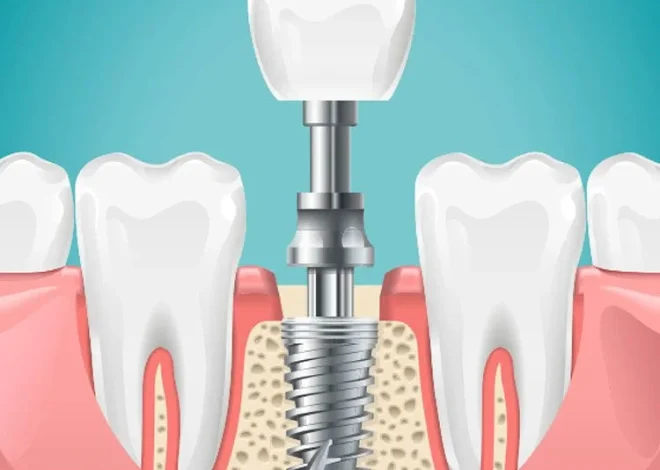
The anatomy of a tooth is remarkably complex, with multiple layers working together to maintain both function and comfort. Beneath the hard enamel lies dentine, a porous substance containing thousands of tiny tubules that connect directly to the nerve centre of the tooth. When these tubules become exposed, external stimuli such as hot or cold temperatures can travel rapidly to the nerve, resulting in that characteristic sharp pain.
Several factors can lead to this exposure. Aggressive brushing techniques, particularly when combined with hard-bristled toothbrushes, can gradually wear away enamel and cause gum recession. Acidic foods and beverages erode enamel over time, whilst teeth grinding during sleep can create similar damage. Even certain dental procedures may temporarily increase sensitivity as teeth recover from treatment.
The Connection Between Sensitivity and Decay
Temperature sensitivity can also indicate the presence of dental decay. When cavities form, they create pathways for temperature changes to reach the nerve more directly. What begins as mild discomfort with cold drinks may progress to persistent pain if left untreated. This is precisely why consulting a dentist Soho residents trust becomes essential when sensitivity persists beyond a few days or worsens over time.
Interestingly, the pattern of sensitivity can reveal much about its cause. Pain that lingers after the temperature stimulus has been removed often suggests a more significant issue than brief, sharp sensations. Similarly, sensitivity that appears suddenly rather than developing gradually warrants prompt professional evaluation to understand the underlying causes of tooth sensitivity.
Hidden Dental Conditions That Manifest as Temperature Sensitivity
Beyond the more obvious causes, temperature sensitivity can signal several hidden dental conditions that require professional attention. Cracked tooth syndrome, for instance, often presents primarily as sensitivity to temperature changes before any visible damage becomes apparent. These hairline fractures can be incredibly difficult to detect without proper examination, yet they pose significant risks if left unaddressed.
Gum disease represents another common culprit behind increased temperature sensitivity. As periodontal disease progresses, the supporting structures around teeth deteriorate, leading to gum recession and exposed root surfaces. The challenge with gum disease is that it often develops silently, with temperature sensitivity sometimes being amongst the first noticeable symptoms that prompt individuals to seek treatment.
The Role of Seasonal Changes
Many people notice their temperature sensitivity fluctuates with the seasons, and there are legitimate reasons for this phenomenon. Cold winter air can trigger sensitivity when breathing through the mouth, whilst summer often brings increased consumption of cold beverages and ice cream. Understanding how seasonal variations impact dental sensitivity can help individuals better manage their symptoms throughout the year.
When Temperature Sensitivity Requires Professional Intervention
Whilst occasional mild sensitivity might not necessitate immediate concern, certain warning signs should never be ignored. Persistent sensitivity lasting more than a few weeks, pain that intensifies rather than improves, or sensitivity accompanied by visible changes to teeth or gums all warrant professional evaluation. Recognising why temperature sensitivity signals more serious concerns empowers individuals to seek timely treatment.
Modern dentistry offers numerous solutions for addressing temperature sensitivity, ranging from desensitising toothpastes and fluoride treatments to more comprehensive interventions such as bonding agents or gum grafts. The appropriate treatment depends entirely on the underlying cause, which is why accurate diagnosis remains paramount.
Taking Control of Your Dental Health
Temperature sensitivity need not be accepted as an inevitable part of life. By recognising these sensations as valuable diagnostic information rather than mere inconvenience, individuals can take proactive steps towards maintaining optimal dental health. Regular dental examinations allow for early detection of issues before they progress, whilst proper home care practices help preserve the protective structures that keep teeth comfortable. Whether consulting a dentist Soho professionals recommend or maintaining consistent oral hygiene routines, addressing temperature sensitivity promptly ensures that minor concerns remain exactly that, rather than developing into more complex dental challenges.